Socarrat: The Secrets of a Perfect Paella
That crispy, caramelized layer at the bottom of the pan is the most prized part of a paella. Here's how to get it right — without burning it.
By the Mare Meua chef · · 4 min read
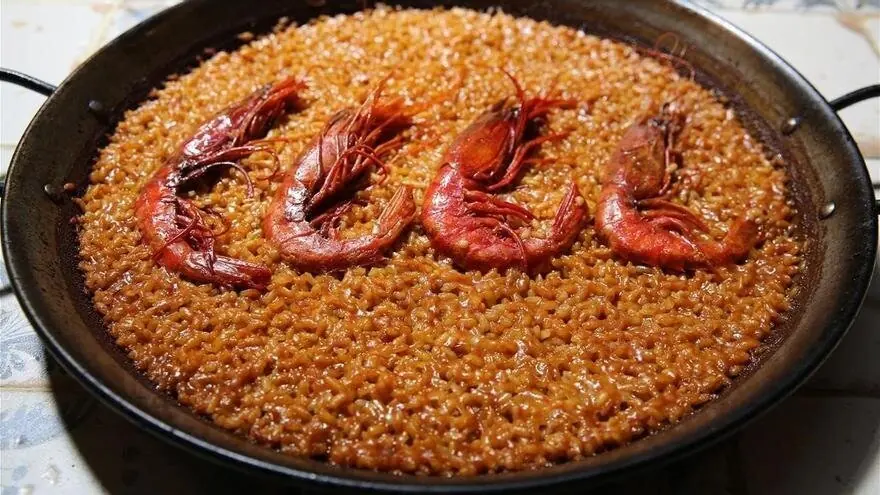
Ask a Valencian what the best part of a paella is and many will answer without hesitation: the socarrat. The name comes from the Valencian verb socarrar, "to toast lightly". It's the thin, crispy, caramelized layer of rice that forms at the bottom of the pan.
What exactly is socarrat?
It's the rice at the very bottom that, in the last minutes of cooking, toasts in the oil and the reduced stock. It should be golden-brown, crunchy and smell toasted. If it's black or bitter, it's not socarrat: it's burnt.
7 keys to a good socarrat
- The right rice. Short or medium-grain Spanish rice (bomba, senia or bahía) absorbs the flavor without breaking or getting sticky.
- A thin layer. In a proper paella the rice is only about 1–2 cm (half an inch) deep. That's why paella pans are wide and shallow.
- Don't stir once the rice is in. Stirring releases starch and makes the rice creamy — that's a risotto, not a paella.
- Even heat. The whole base of the pan has to heat evenly, with a burner the size of the pan or a wood fire.
- A good sofrito and olive oil. The oil at the bottom is what "fries" the rice into socarrat.
- The last minute. When the stock has been absorbed, raise the heat for 1–2 minutes and listen: a soft crackling means the socarrat is forming.
- Rest. Take it off the heat and let it rest for about 5 minutes before serving.
How to know it's ready
- Listen: a crackling sound, like light rain.
- Smell: toasted, never burnt.
- Check: with a spoon at the edge, the rice sticks lightly to the pan and comes off as a golden crust.
When we cook live at your event, the socarrat is the moment when guests gather around the pan — everybody wants to scrape a bit from the bottom.
You might also like
 Event planning
How Much Paella per Person? A Planning Guide for Your Event
From backyard birthdays to 200-guest weddings: how to calculate servings, choose dishes and never run out.
4 min read · Read Rice dishes explained
Paella Valenciana, Seafood Paella or Arroz Meloso? The Differences Explained
Not every Spanish rice dish is a paella. Learn what makes each one unique so you can choose the right one for your guests.
4 min read · Read Kitchen tools
Paella Pan Guide: Sizes, Materials and Servings
Which paella pan do you need? A practical guide to sizes, materials and burners, with a servings chart.
5 min read · Read