The History of Paella: From Valencia's Rice Fields to Your Table
How a humble dish cooked by farmers over a wood fire became the symbol of Spanish cuisine around the world.
By the Mare Meua chef · · 4 min read
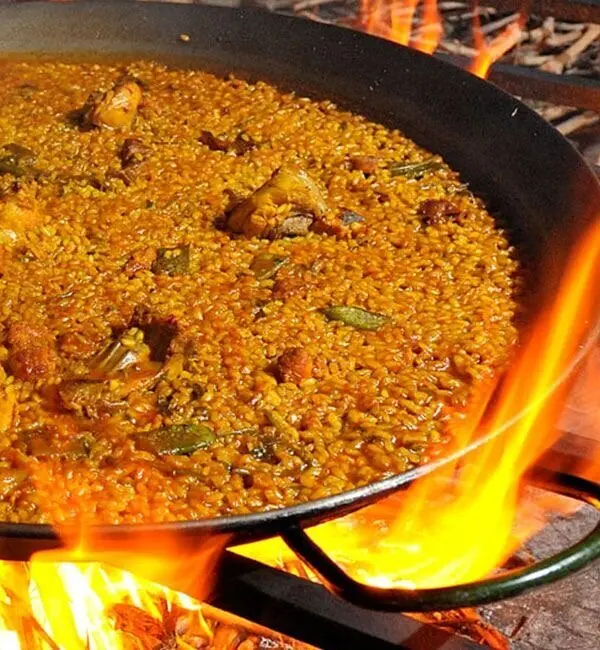
Today you can find paella from Tokyo to Lakeland, but its story begins in a very specific place: the rice fields around the Albufera, a lagoon just south of the city of Valencia, on Spain's Mediterranean coast.
Rice arrives in Valencia
Rice farming spread across the Valencia region during the centuries of Moorish rule in Spain. The wetlands around the Albufera turned out to be perfect for it, and rice became part of the local diet and landscape — and it still is today.
A dish of farmers and workers
Paella was born outdoors. Farm workers cooked rice in a wide, shallow pan over a wood fire, with whatever they had at hand: rabbit, chicken, sometimes snails, green beans and garrofó. They ate it straight from the pan, everyone sharing — a tradition that's still alive at Sunday family gatherings in Valencia.
Why is it called "paella"?
In Valencian, paella means "pan", from the Latin word patella. The dish took its name from the pan it's cooked in. That's why, in Valencia, people say "a paella of chicken" or "a paella of seafood": the name refers to the pan, not to a single recipe.
From Valencia to the world
During the 20th century, with tourism and Spanish emigration, paella became the symbol of Spanish cuisine abroad. Many versions appeared along the way — some faithful, some very creative. Valencians are still passionate about the original recipe, and there's even a World Paella Day, celebrated every September 20.
What paella really means
More than a recipe, paella is a social ritual: cooking outdoors, the aroma of the sofrito, the wait around the fire, everyone sharing from the same pan. That's exactly what we want to bring to your celebrations in Lakeland.
You might also like
 Event planning
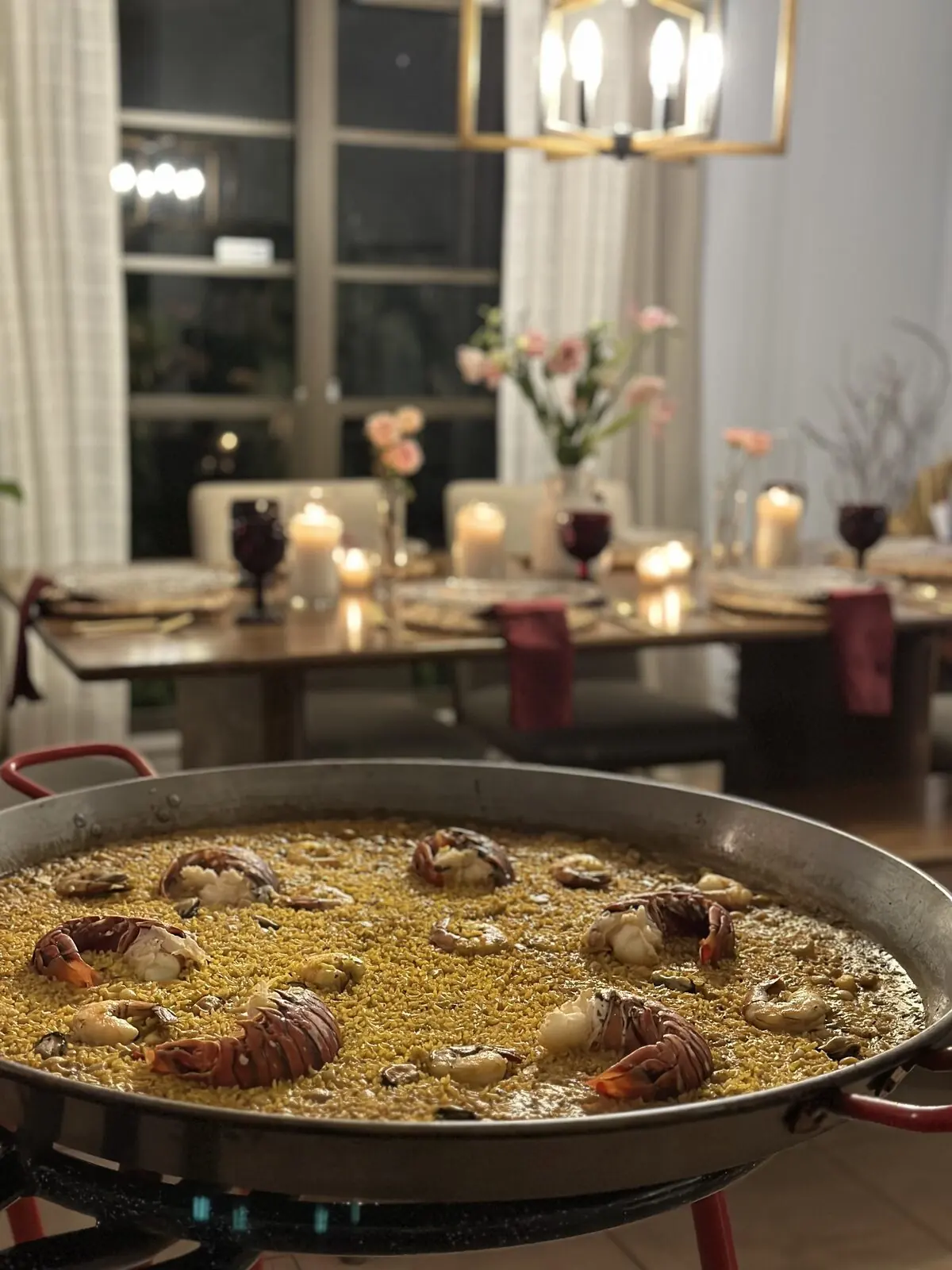
How Much Paella per Person? A Planning Guide for Your Event
From backyard birthdays to 200-guest weddings: how to calculate servings, choose dishes and never run out.
4 min read · Read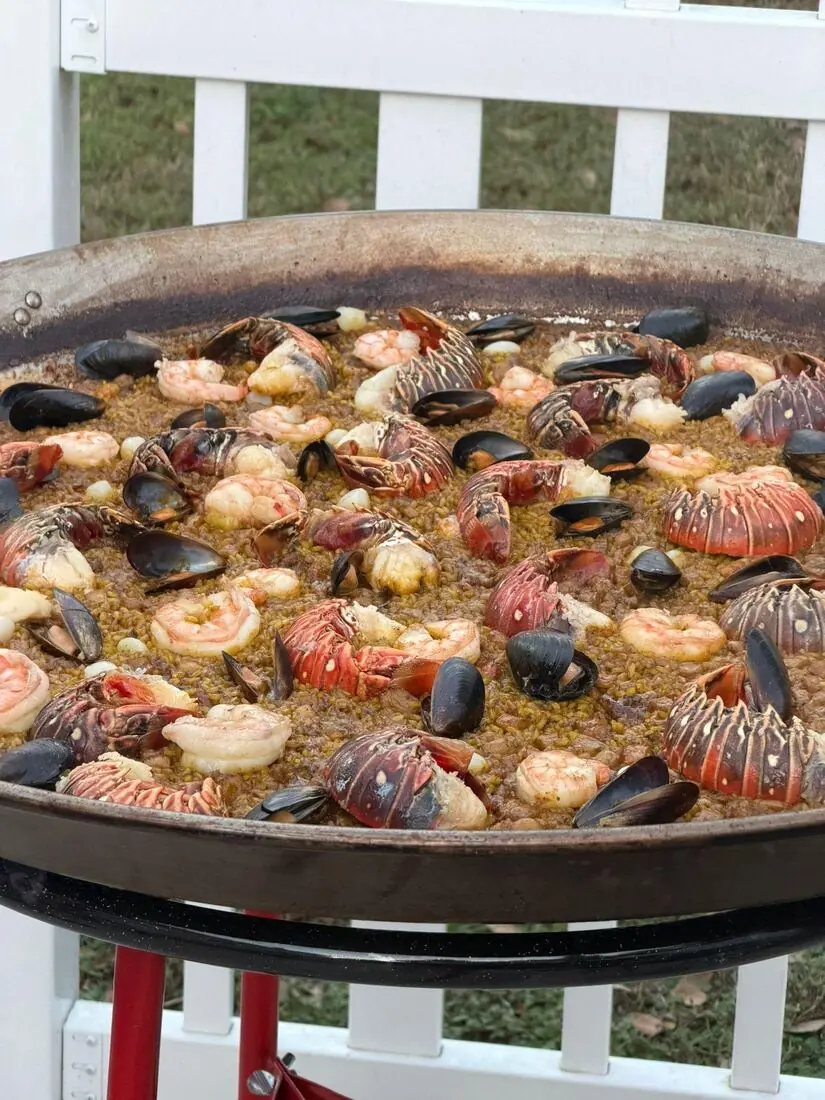 Rice dishes explained
Paella Valenciana, Seafood Paella or Arroz Meloso? The Differences Explained
Not every Spanish rice dish is a paella. Learn what makes each one unique so you can choose the right one for your guests.
4 min read · Read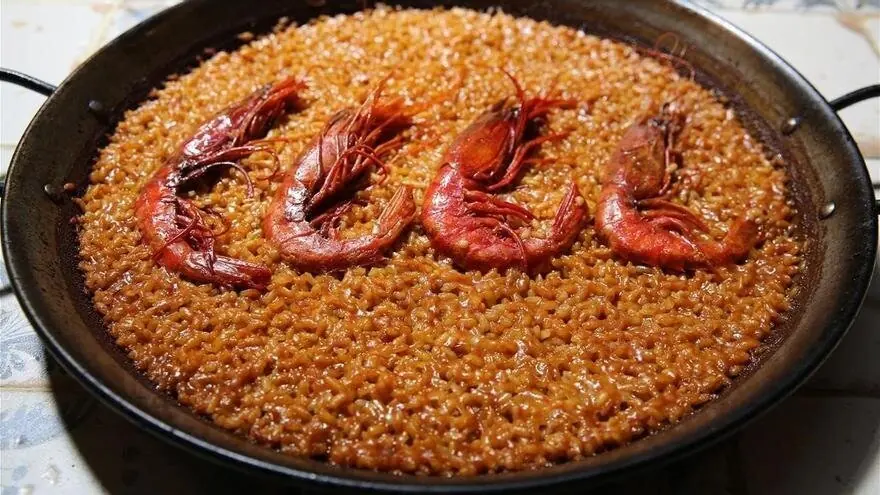 Chef's tips
Socarrat: The Secrets of a Perfect Paella
That crispy, caramelized layer at the bottom of the pan is the most prized part of a paella. Here's how to get it right — without burning it.
4 min read · Read