Food Safety at Outdoor Events in the Florida Heat
Heat and buffets don't mix well. Practical rules to keep your guests safe — especially with rice and seafood.
By the Mare Meua chef · · 5 min read
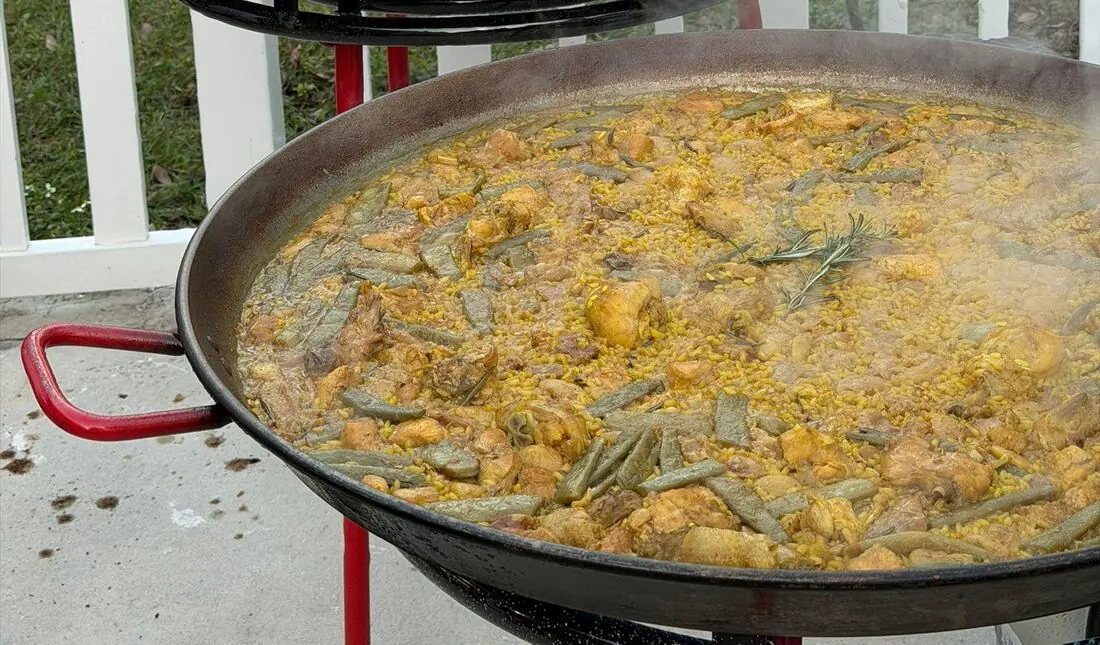
In Florida, many celebrations happen outdoors: backyards, pools, gardens, venues with a terrace. It's wonderful — but heat and humidity make bacteria multiply quickly. These simple rules help keep your guests safe.
The "danger zone": 40–140 °F
According to the USDA, bacteria grow fastest between 40 °F and 140 °F (4–60 °C). Perishable food should never sit in that range for more than 2 hours — and no more than 1 hour if it's above 90 °F (32 °C), which is common in a Florida summer.
Why rice needs special care
Cooked rice can carry spores of certain bacteria that survive cooking. If the rice sits at room temperature for a long time, those spores can grow and produce toxins that reheating won't destroy. That's why rice should be eaten freshly made, and leftovers should be cooled and refrigerated within about an hour and eaten within 24 hours.
Rules for hosts
- Keep hot food hot: at 140 °F (60 °C) or above until it's served.
- Keep cold food cold: on ice, at 40 °F (4 °C) or below — especially seafood, salads and desserts.
- Serve in the shade and put food out in small batches instead of all at once.
- Use a food thermometer if you're keeping food warm for a while.
- Leftovers: refrigerate them quickly; throw away anything that has been out longer than the limits above.
- Allergies: label each dish and use separate serving spoons to avoid cross-contact.
Why live-cooked paella is a safe choice
When paella is cooked at your event, it goes straight from the pan to the plate, piping hot, with no long waiting times. If you choose delivery, we bring it hot and ready to serve: plan to serve it soon after it arrives.
You might also like
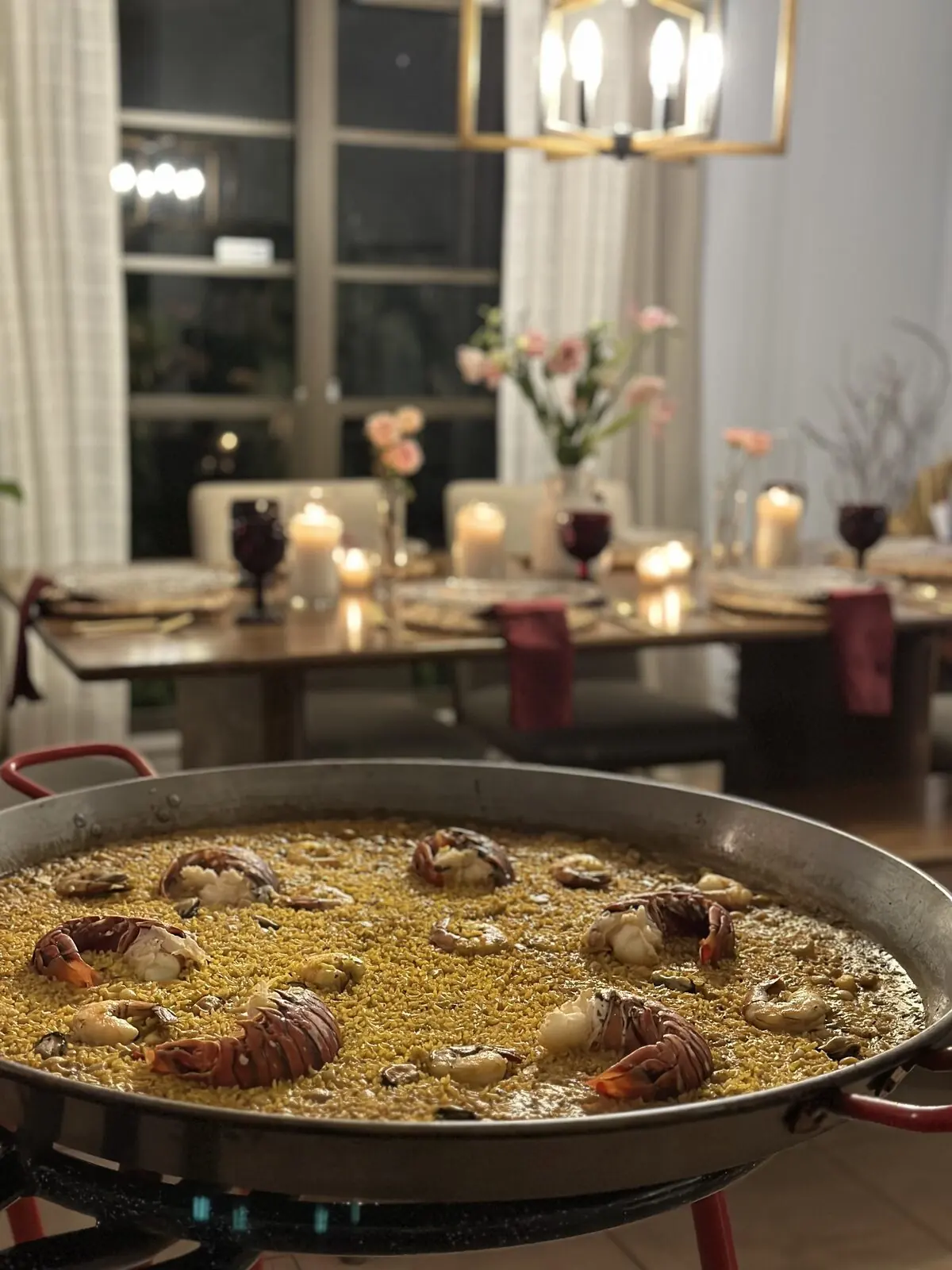 Event planning
How Much Paella per Person? A Planning Guide for Your Event
From backyard birthdays to 200-guest weddings: how to calculate servings, choose dishes and never run out.
4 min read · Read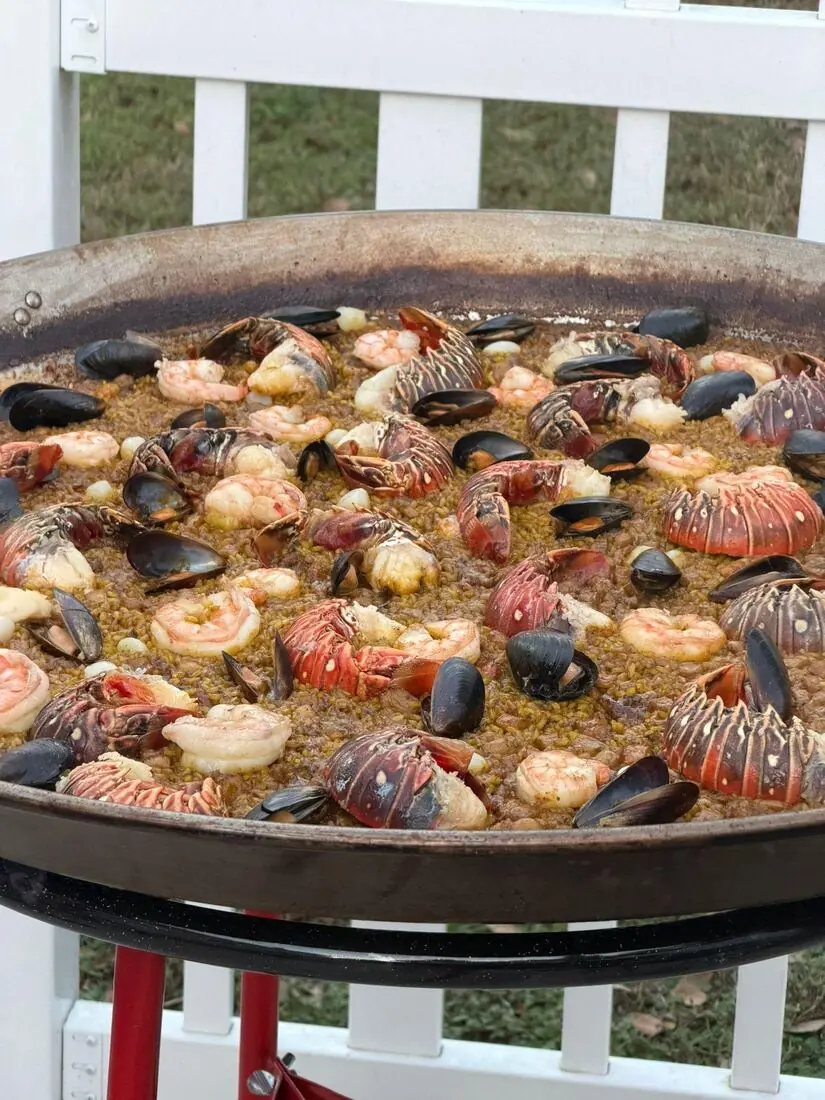 Rice dishes explained
Paella Valenciana, Seafood Paella or Arroz Meloso? The Differences Explained
Not every Spanish rice dish is a paella. Learn what makes each one unique so you can choose the right one for your guests.
4 min read · Read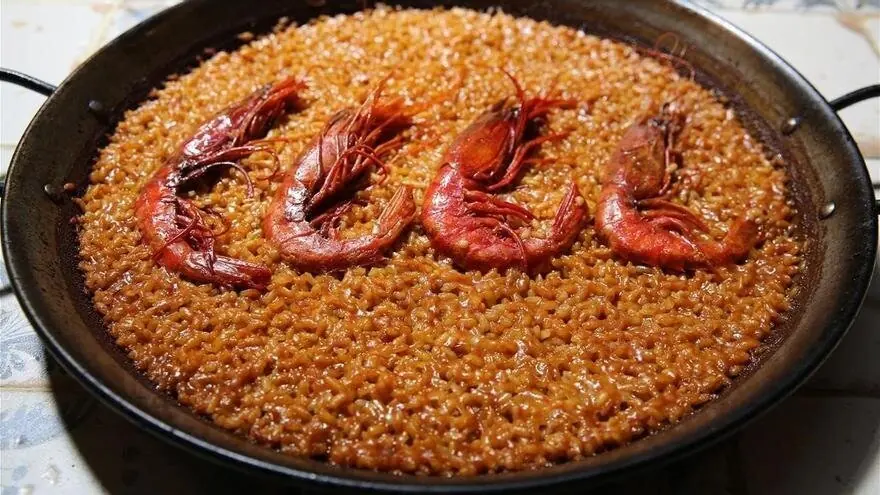 Chef's tips
Socarrat: The Secrets of a Perfect Paella
That crispy, caramelized layer at the bottom of the pan is the most prized part of a paella. Here's how to get it right — without burning it.
4 min read · Read